
Dear Friends,
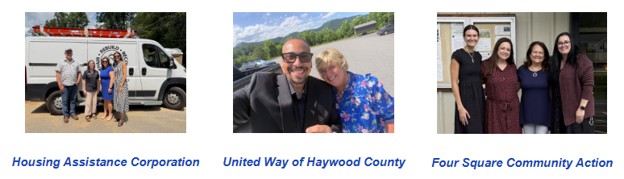
Over the past week, our team traveled across western North Carolina. From Asheville to Waynesville, Black Mountain, and into some of our most rural counties. We visited to listen, learn, and witness firsthand the ongoing recovery from Hurricane Helene.
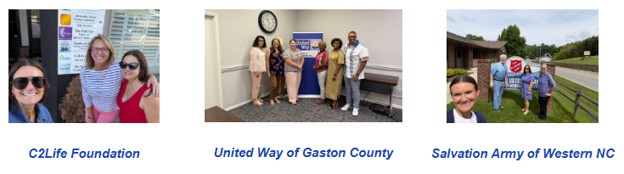
What we saw and heard was both inspiring and sobering.
Communities described Hurricane Helene as unprecedented with more than 20 inches of rain falling in just hours, triggering landslides, isolating entire towns, and disrupting power and communication for over a week.
Even today, the impacts remain deeply felt:
- Hundreds of individuals are still living in temporary housing, many in campers and makeshift conditions.
- Families are preparing to enter another winter without permanent homes.
- Housing shortages, already a challenge, have been significantly worsened by the storm.
Recovery is not quick. It is complex, layered, and ongoing.
Across every visit, we heard powerful stories that reflect both the hardship and the impact of community support:
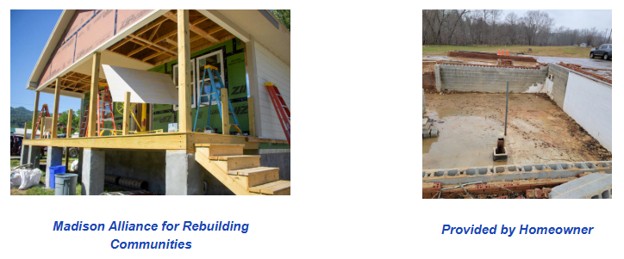
- An elderly couple (ages 85 and 80) living in unsafe conditions with a failing foundation and unreliable heat, received critical repairs and a restored heating source, allowing them to remain safe in their home.
- A working family with a young child regained stability after receiving flooring repairs, HVAC replacement, and structural support, turning an unlivable home into a safe environment.
- A family of five, including a newborn, transitioned from living in a camper to a safe, HUD-standard home, demonstrating what is possible when resources are braided together effectively.
- In another case, critical home repairs prevented displacement entirely, allowing families to stay rooted in their communities rather than entering homelessness or unsafe sheltering situations.
These are not just success stories. These are your dollars at work. They are proof that flexible, community-driven funding works.
Through UW Helps NC and related disaster funds, United Way and partners have mobilized resources at scale:
- Over $7 million raised and distributed through UW Helps NC, driven largely by individual donors nationwide to support recovery efforts.
On the ground, these investments translated into:
- Direct support to families for housing repairs, rent, and utilities
- Flexible grants allowing local organizations to respond quickly to urgent needs
- Rapid deployment of $3 million within 60 days of the disaster, ensuring immediate relief when it mattered most
This approach being low-barrier, trust-based, and locally informed has been consistently described by partners as one of the most effective funding sources they have experienced.
Despite this progress, the need remains significant and growing.
Across western North Carolina, we continue to see:
Persistent Housing Instability
- Many homes remain structurally unsafe due to flooding, mold, and damage that takes years to fully repair. Funding gaps mean some homes cannot be rebuilt at all, leaving families in long-term temporary housing.
Deep, Structural Poverty
- Families living on fixed incomes, often Social Security, are far below local cost-of-living needs.
- Rural communities face limited access to childcare, healthcare, and employment opportunities.
Service Gaps and Isolation
- Many residents are still unaware of available resources due to geographic isolation and limited connectivity.
- Transportation barriers, digital gaps, and workforce limitations compound recovery challenges.
Funding Uncertainty
- Disaster funds are nearing depletion, with few immediate new funding streams available.
- Agencies consistently report: “There are more needs than there is funding. And it’s just getting worse.”
Even amid these challenges, what stands out most is the resilience of western North Carolina:
- Strong collaboration among nonprofits, churches, and local governments
- Long-term recovery groups forming and strengthening in real time
- A shared commitment to meet people where they are, with dignity and compassion
As one partner reflected, recovery is not just about rebuilding homes, but restoring stability, connection, and hope.
United Way of North Carolina remains deeply committed to:
- Advocating for sustained investment in long-term recovery
- Expanding access to 211 and resource navigation, especially in rural communities
- Supporting local partners with flexible funding that meets real-world needs
- Lifting up stories of impact to ensure communities are seen, heard, and supported
The road ahead is long. But together with continued partnership, investment, and community leadership, we can ensure that every family has an opportunity to recover, rebuild, and thrive.
With Gratitude and Determination,
.png)